Peatland Hydrological Restoration
Scientific Integrity | 74,772 ha of peatland forest restoration | 20,850 trees planted up to 2025 | Community Integration
Peatlands are among the world’s most efficient natural carbon stores, but when drained or degraded, they transform into major carbon emitters. In its natural state, tropical forested peatlands contain more than 90% water, sustained almost entirely by rainfall.
In Southeast Pahang Peat Swamp Forest, decades of altered hydrology—driven by past logging activities and an extensive network of drainage canals—have lowered water tables. Once peat becomes dry, it not only emits carbon rapidly but also becomes highly prone to persistent and hard-to-control peatland fires; a cycle worsened by repeated fire events that further degrade the ecosystem and accelerate carbon loss.
Through our scientific approach, we aim to:
- Avoid, reduce and remove an average of 3.1 million tCO2e annually
- Restore 74,772 ha of peatland forest and improve its biodiversity

How do we do it?
Hydrological Science & Monitoring:
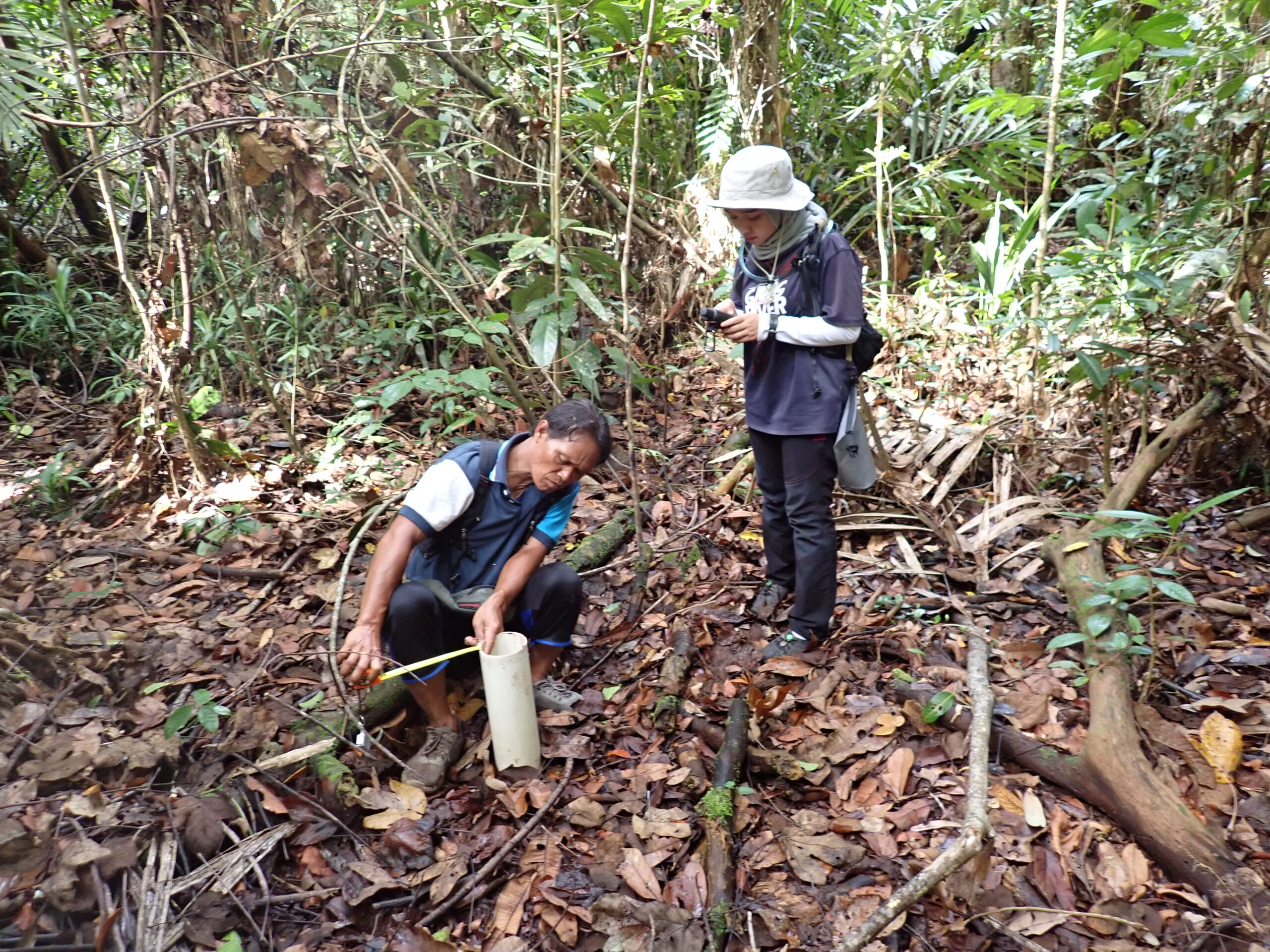
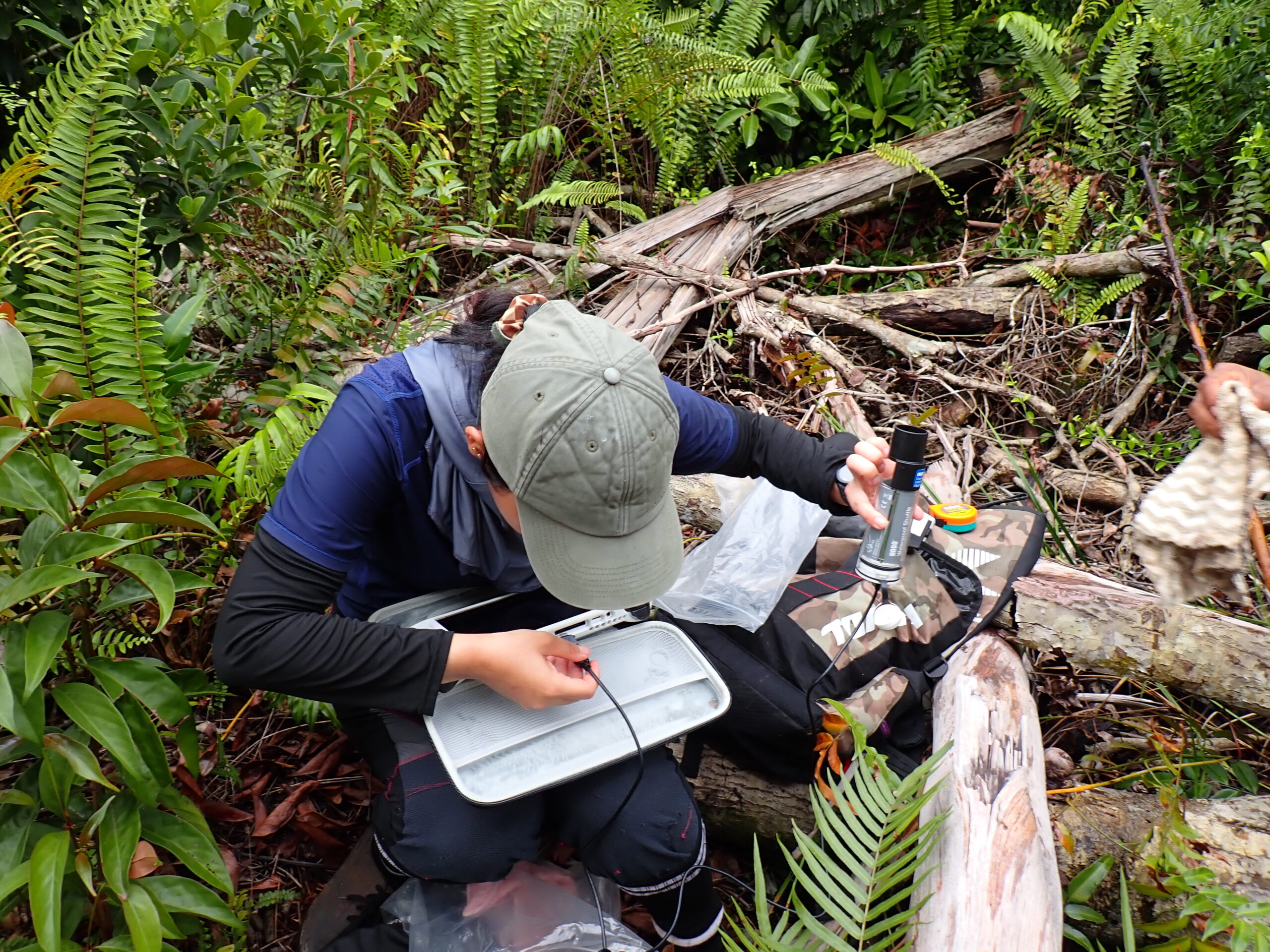
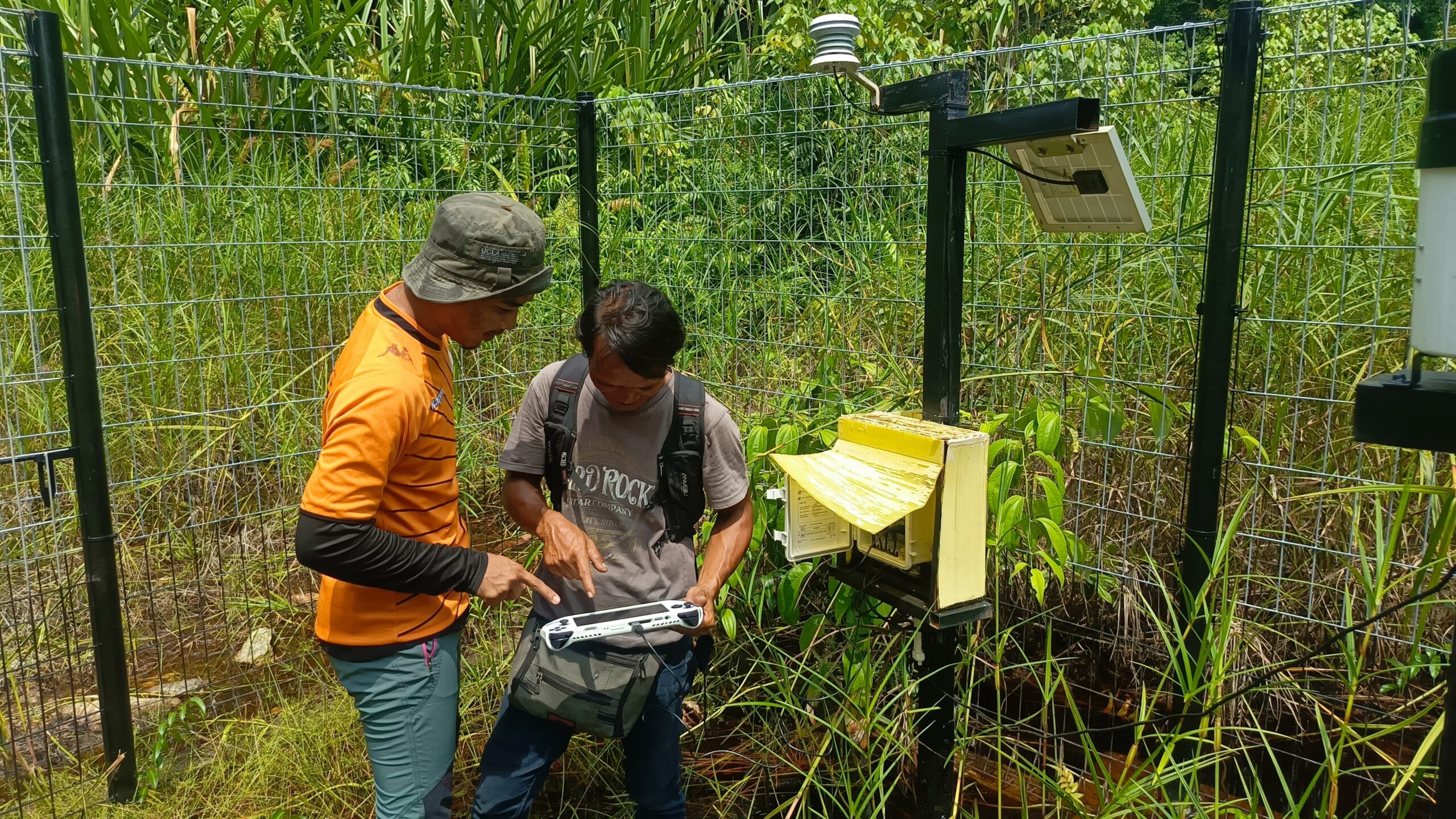
Our hydrological monitoring system combines routine field measurements with automated data loggers to build a complete understanding of peatland forest hydrological dynamics.
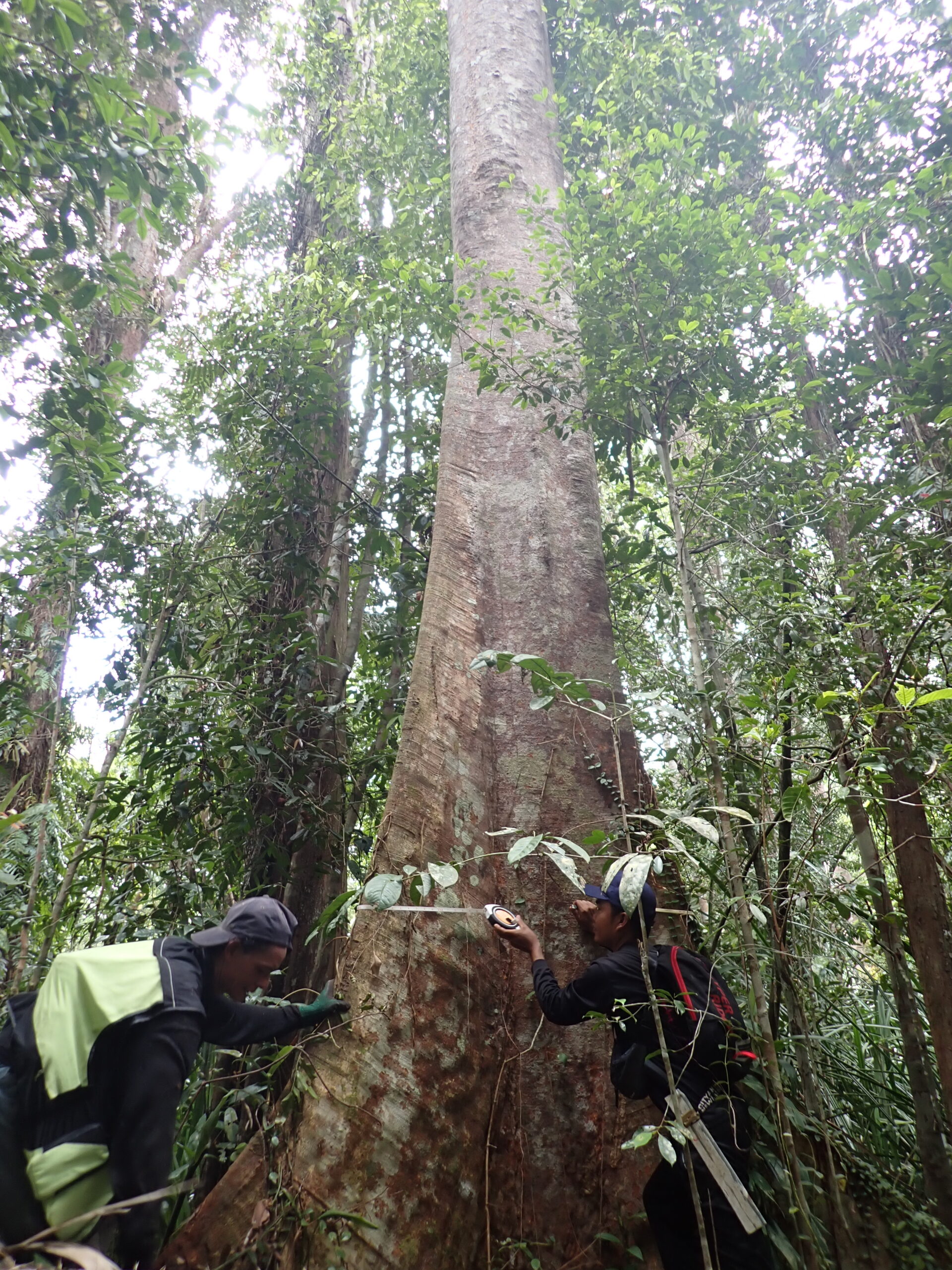
- 291 piezometers installed across the peat swamp forest to measure groundwater (water table) levels. These instruments capture real-time fluctuations and high-resolution data for trend analysis and verification.
- Two dedicated weather stations to continuously monitor key weather data for a better understanding of the peatland forest environment and provide indicators in supporting the restoration activities.
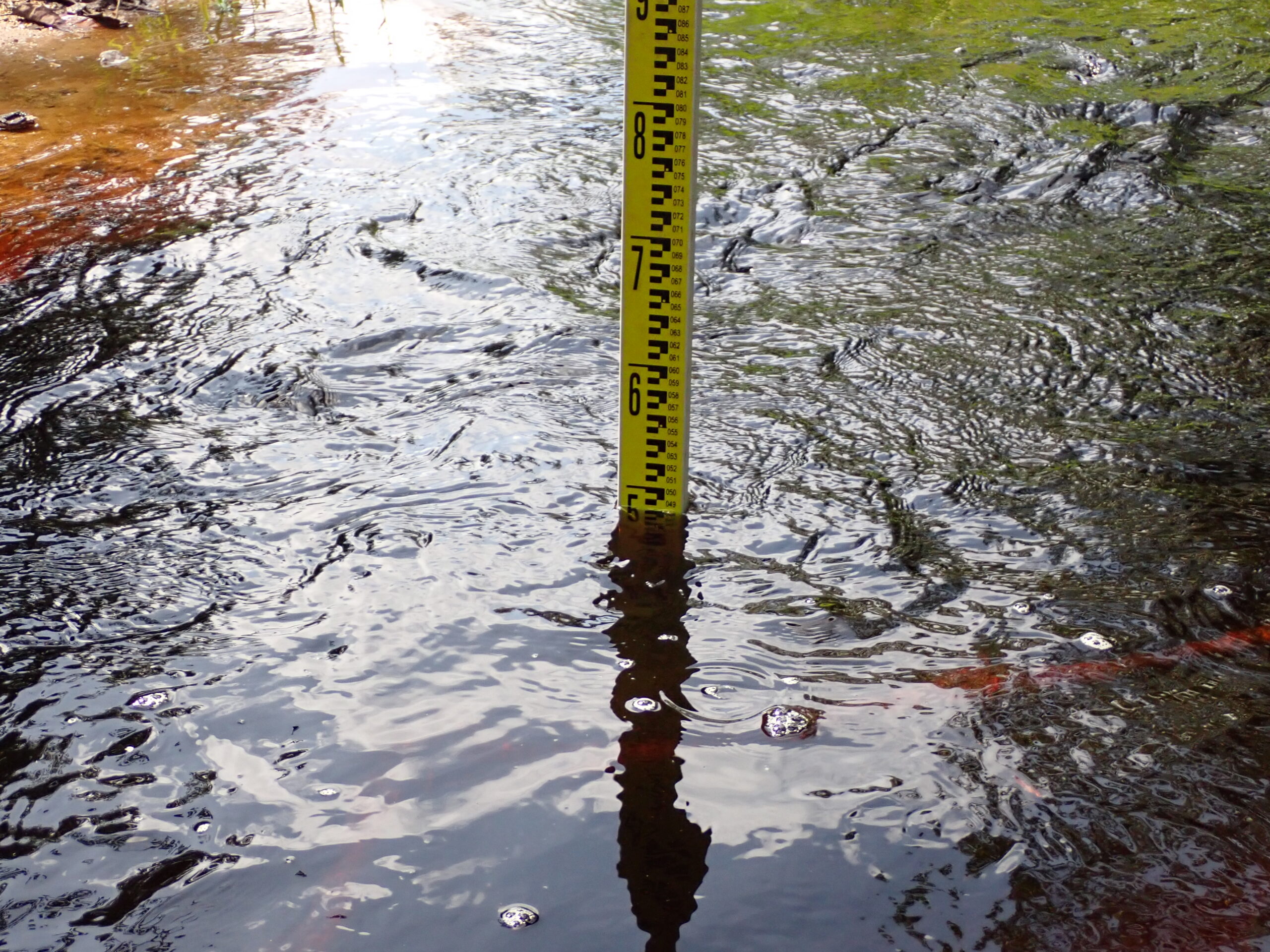
- Various fixed canal water level monitoring at canal blocks to understand effectiveness of the rewetting effort and type of interventions required.
- Burn scar measurement is conducted after every forest fire event inside Project Area to assess the peat scar area and depth and reporting for loss and reversal events.
Canal Blocking:
Canals created during past logging activities drain the peatlands water table. Rewetting the canals through canal blocking exercise helps significantly improve the water retention across the peatland landscape. By maintaining higher water tables, we minimise carbon loss, reduce fire risk, and enhance long-term carbon retention in tropical peatland ecosystems. Since the inception of the project until the end of 2025, we have completed 236 canal blocks using peat compaction and geobag-based designs.
Reforestation:
In line with Verra’s VM0047 Afforestation, Reforestation and Revegetation (ARR) methodology, our reforestation program focuses on improving the forest density and canopy cover as well as supporting local livelihoods.
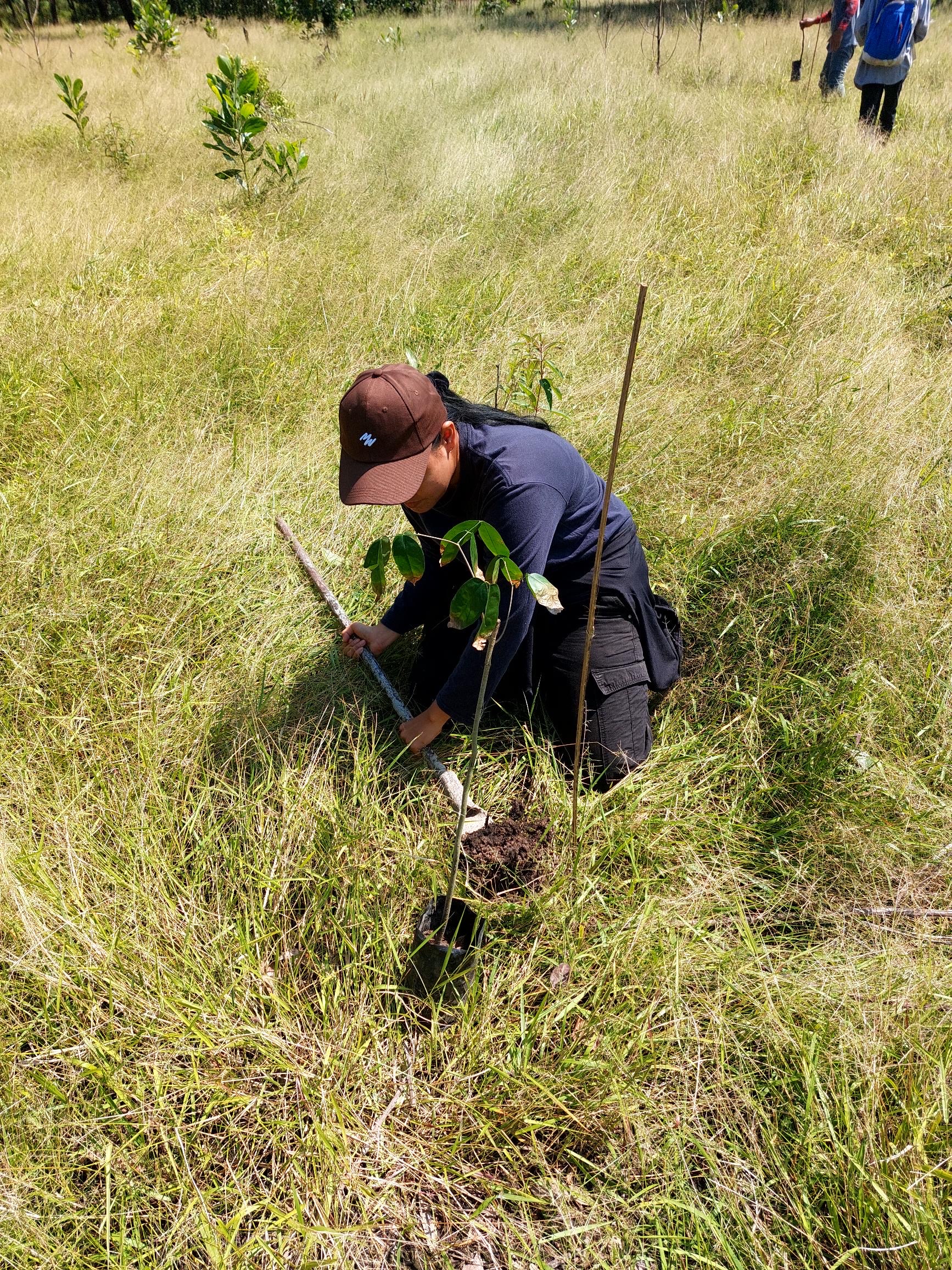
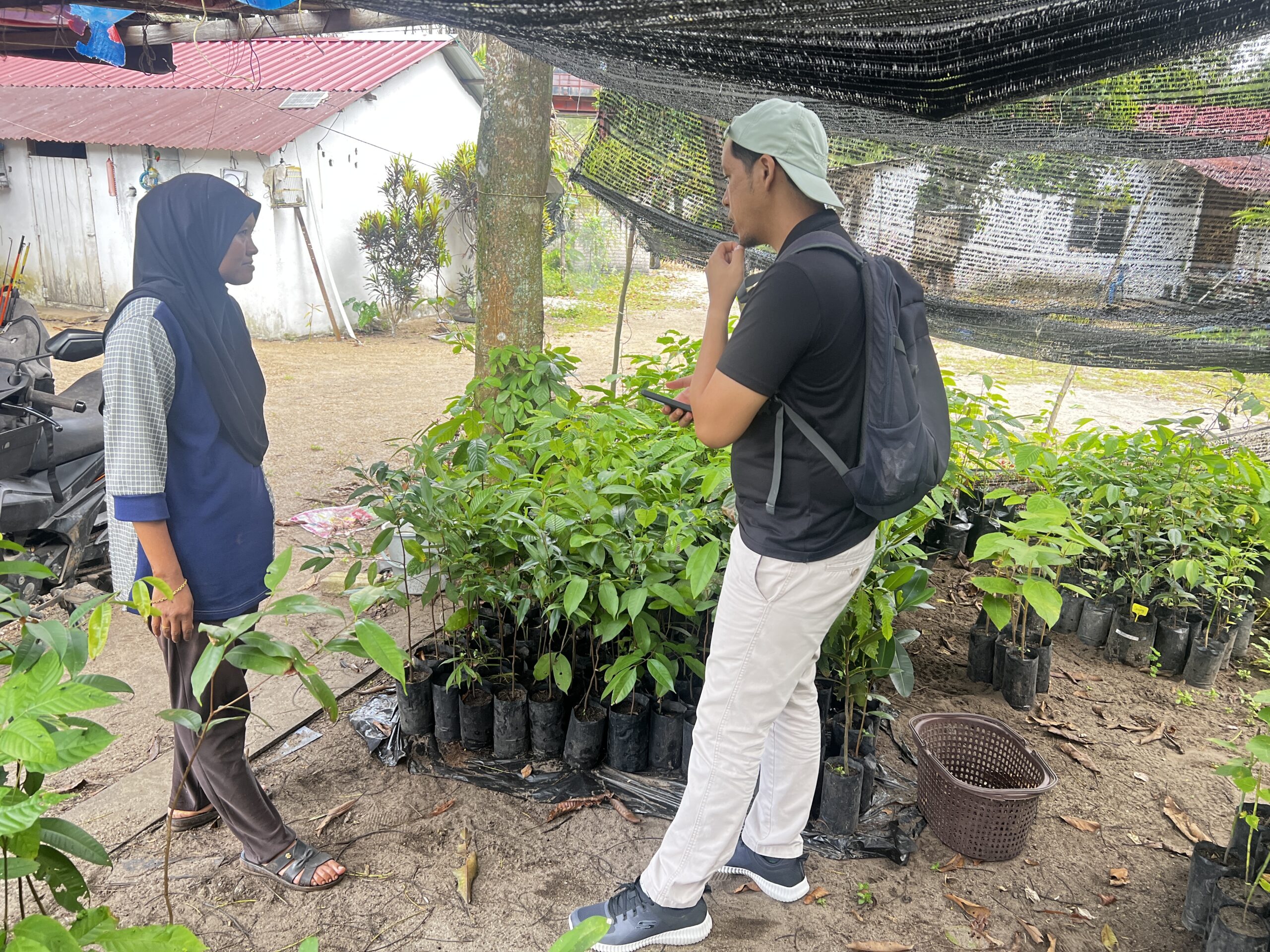
- More than 20,850 native peatland trees planted (and counting), sourced from six community-owned nurseries.
- Local community members are employed to monitor and maintain three restoration sites, improving tree survivability.
- No chemical pesticides or fertilizers are used — only manual weeding and watering.
- Survival rates are monitored alongside soil, hydrology, and other site attributes to refine replanting techniques.
Fire Prevention and Management:
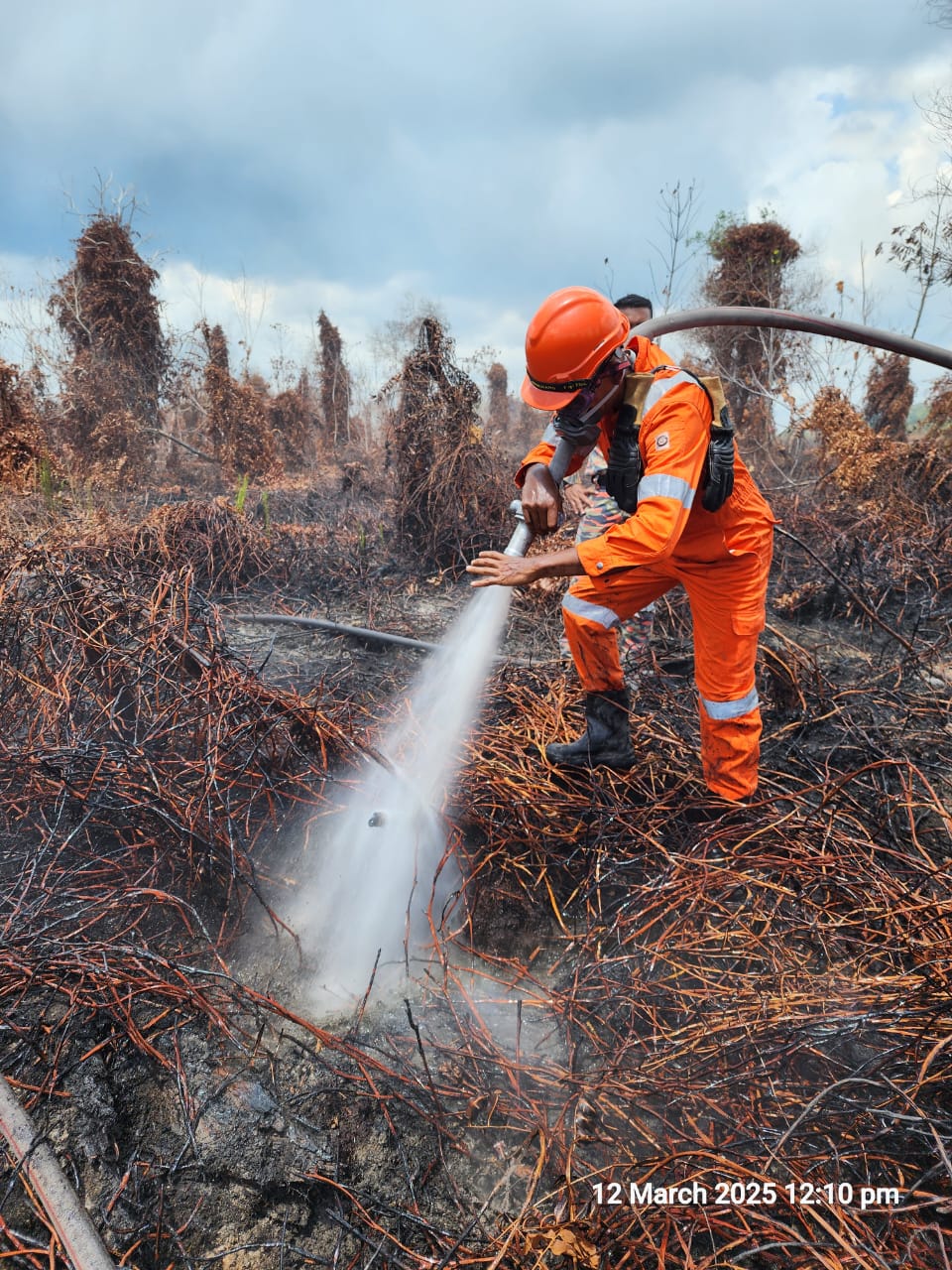
Fire remains the greatest threat to restoration activities due to underground peat fires that spread easily and are difficult to contain.
Given the complexity of the site, we combine technology, trained personnel, and coordinated collaboration with authorities and communities to manage fire risk.
- Satellite-based fire hotspot monitoring systems.
- Real-time information from patrol teams and local communities.
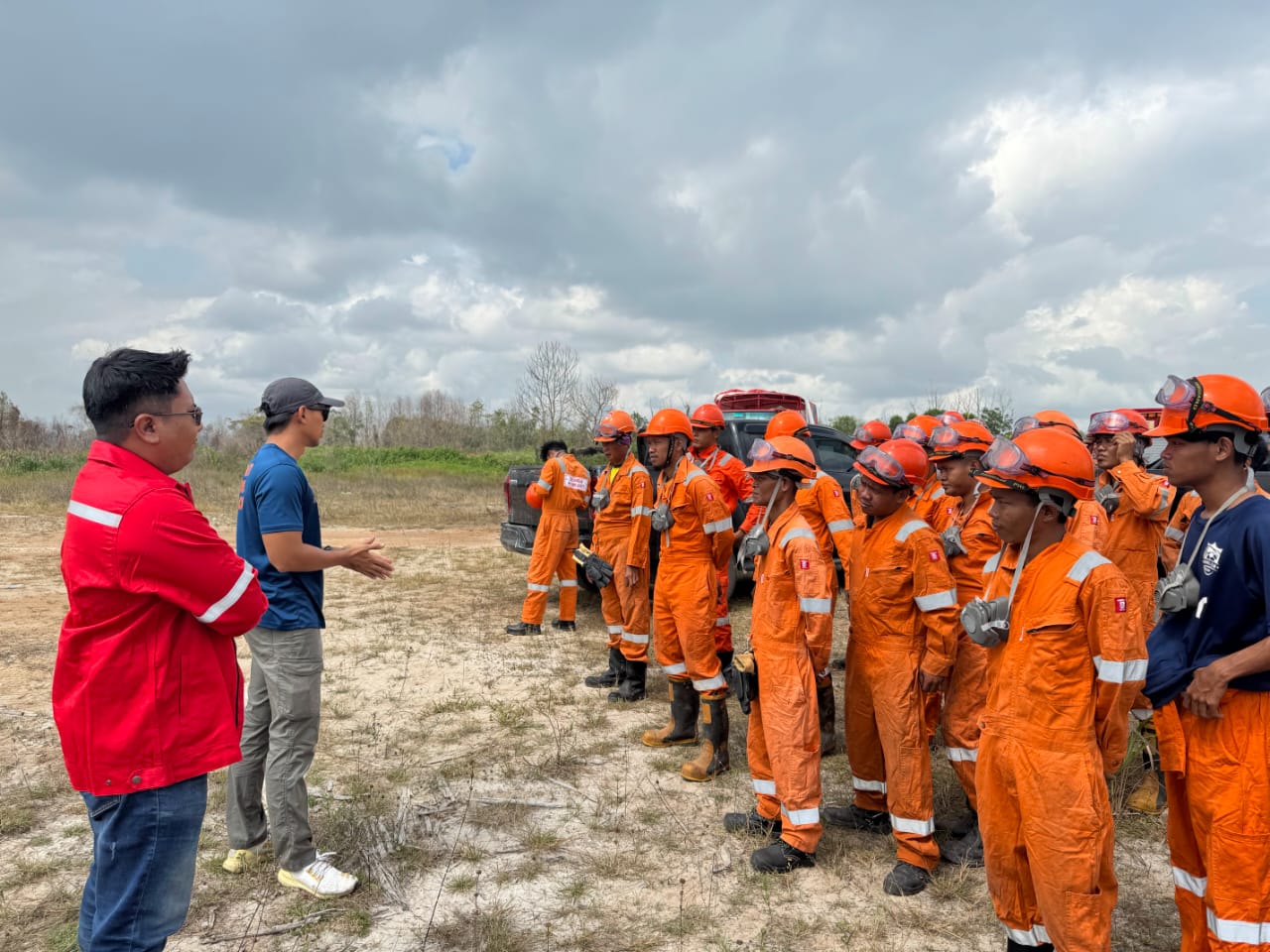
- Fire Emergency Response Team (FERT) comprising local indigenous community members, trained by the Malaysian Fire and Rescue Department (BOMBA). The team is equipped with personal protective equipment, pumps, hoses, water tanks, and thermal-sensor drones.
- Fire-prevention exercises to identify high-risk areas and alert relevant agencies for closer monitoring.
- Awareness programmes for local communities and stakeholders, including plantation operators neighbouring the project zone, to prevent peatland forest fires.